
Who Is Autonomous Driving Really For?
Customers don’t want autonomous navigation itself—they want the job done flawlessly without having to think about it. Autonomous navigation is just one of many ways to deliver that experience.
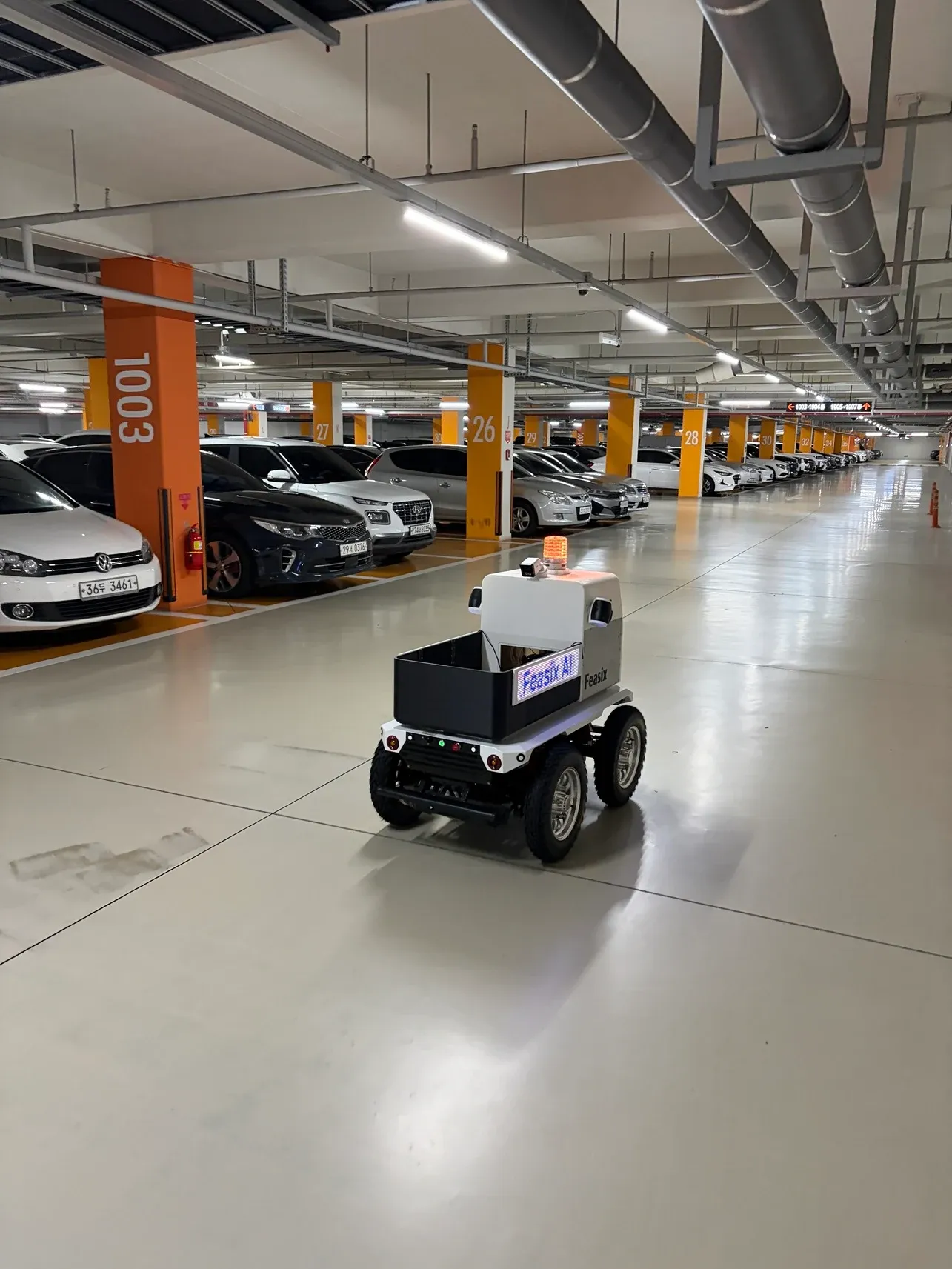
When we think of mobile robots, the first technology that comes to mind is “autonomous driving.” It’s natural — combining “mobile” with “robot” almost automatically leads us to imagine a machine that moves on its own.
But do customers truly prefer autonomous driving as a feature? I don’t think so.
It’s not that autonomy is unwelcome. Rather, customers don’t want to think about the robot at all. What they really value is a system that performs flawlessly without requiring their attention.
For instance, parts of the Shinbundang subway line in Korea operate autonomously. Yet from a rider’s perspective, the overall experience feels almost identical to a manually driven train. (If anything, the slight speed fluctuations around 90km/h can occasionally be more noticeable.)
So who benefits most from autonomy? In reality, it’s the company. Autonomy reduces operational labor while delivering the same functional outcome — an obvious business advantage. This is why companies invest heavily in advancing autonomous technology.
However, the challenge is that there is no such thing as perfect, 100-point autonomy yet. Even if the system succeeds 99 times, a single failure instantly creates the impression that the customer must “pay attention.” And once that impression forms, the customer experience falls short of expectations.
Ultimately, the essence of robotics and robot-driven services is not autonomous operation itself. The true goal is to complete the task perfectly — while letting the customer forget the robot even exists. Autonomy is simply one of many ways to reach that goal.